
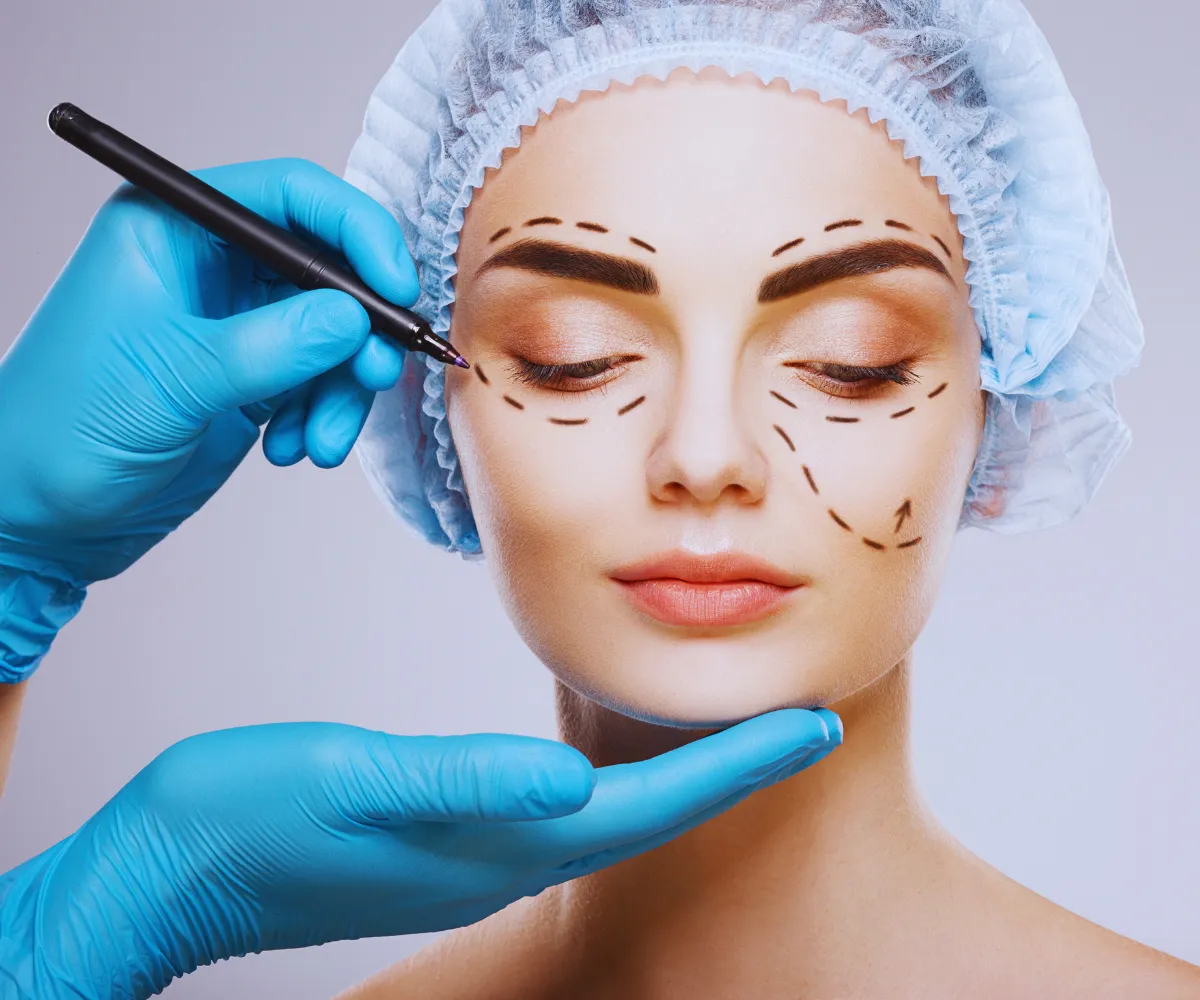
Plastic surgery can help restore appearance, function, and confidence, whether it is reconstructive or cosmetic in nature. While results depend on the procedure, surgeon expertise, and overall health, proper healing plays the most important role in achieving the best outcome. Understanding what to expect during recovery and following recommended care guidelines can help prevent complications and ensure safe and successful healing. This guide explains essential steps for recovery, common stages of healing, and ways to support your body during the healing process.
Understanding the Recovery Timeline
Every plastic surgery procedure has a different recovery timeline, but most follow similar phases. The initial stage involves swelling, bruising, and mild discomfort as the body heals the operated tissues. During this period, rest is crucial. Over the next few weeks, inflammation gradually decreases, incisions begin to mature, and mobility improves. Depending on the treatment, internal healing may continue for months as tissues remodel and scars settle. It is normal to notice improvements gradually rather than immediately. Following your surgeon’s post-operative plan helps minimize risks and supports optimal healing during each phase.
Post-Surgery Care Instructions
Surgeons provide personalized post-procedure instructions based on the type of surgery and individual health needs. These may include wound care, support garments, medications, swelling control, and activity restrictions. Cleaning the incision properly, keeping dressings dry, and applying recommended ointments reduce the chance of infection and support faster healing. Avoid applying any products without medical guidance. Patients should also prioritize hygiene and avoid strenuous activity during the initial recovery period. Adhering strictly to instructions ensures smooth healing and lowers the risk of complications.
Managing Pain and Swelling
Mild pain and swelling are natural after plastic surgery as the body repairs itself. Surgeons often prescribe pain medications, suggest cold compresses, or recommend anti-inflammatory measures to help control discomfort. Elevating the treated area, staying hydrated, and limiting salt intake also help reduce swelling. Avoid over-the-counter medicines unless approved by your doctor, as some may interfere with blood clotting. With proper care, swelling gradually improves over several weeks. If swelling increases suddenly or pain becomes severe, contacting your surgeon promptly is important for timely assessment.
Importance of Healthy Nutrition
Nutrition plays a vital role in healing after plastic surgery. The body requires optimal fuel to rebuild tissues, support immune function, and restore energy. Lean proteins such as chicken, fish, lentils, eggs, and tofu help repair cells. Foods rich in vitamins A, C, and E, including leafy greens, berries, carrots, and citrus fruits, support collagen production and wound healing. Staying hydrated helps reduce swelling and maintain circulation. Limiting sugar, processed foods, and salty snacks can prevent inflammation. A balanced diet helps accelerate healing and promotes better long-term results.
Protecting Incisions and Scars
Proper incision care is important to achieve neat, well-healed scars. Keep the area clean and protected from sunlight, as UV exposure can darken scars and affect their final appearance. Once your surgeon approves, gentle scar care methods such as silicone sheets or prescribed gels may be recommended. Avoid scratching or applying pressure to the incision area. Wearing loose clothing and avoiding friction also protects sensitive skin during the healing process. Over time, most scars fade naturally, but dedicated care helps them become less noticeable.
Activity and Rest Balance
Rest is essential during the first phase of recovery, allowing the body to heal without strain. However, light movement is also beneficial to maintain circulation and prevent stiffness. Surgeons often recommend gentle walking shortly after surgery, while advising against heavy lifting, exercise, or sudden movements. Overexertion can increase swelling and disrupt sutures. Returning to regular physical activities should only be done with medical clearance. Maintaining the right balance between rest and gentle activity supports safe recovery and reduces the risk of complications.
Emotional Well-Being
Healing after plastic surgery involves emotional adjustment in addition to physical recovery. It is common for patients to feel anxious or impatient, especially during the early stages when swelling and bruising may temporarily obscure results. Understanding that recovery is gradual helps manage expectations. Staying connected with supportive family members, communicating honestly with your surgeon, and practicing relaxation techniques all contribute to emotional wellness during recovery. Trusting the process and giving the body time to heal can lead to a more satisfying experience.
Follow-Up Visits and Monitoring
Regular follow-up appointments allow the surgeon to monitor healing, remove sutures if required, and provide additional care instructions. These visits are essential for ensuring the incision heals correctly and detecting any concerns early. Skipping appointments or ignoring symptoms may delay recovery or increase risks. Patients should report any unusual swelling, bleeding, fever, or persistent pain immediately. Staying consistent with follow-ups helps maintain steady progress and reassures patients throughout their healing journey.
When to Seek Medical Help
Although complications are rare with proper care, recognizing concerning symptoms is important. Sudden severe pain, persistent fever, excessive bleeding, pus from the incision, or difficulty breathing require immediate medical attention. Early intervention prevents serious issues. Listening to your body and contacting your surgeon with questions helps protect your health and ensures a smooth healing experience.
Final Thoughts
Successful recovery from plastic surgery requires patience, proper care, and adherence to medical guidance. While every individual heals at a unique pace, understanding the process, following post-surgery instructions, maintaining a healthy lifestyle, and attending follow-up visits can significantly enhance outcomes. With appropriate care, most patients achieve natural-looking results and improved confidence. Always communicate openly with your surgeon and follow their recommendations for the safest and most effective healing journey.
Disclaimer
This article is for informational and educational purposes only and should not be considered as medical advice. It does not substitute consultation, diagnosis, or treatment by a qualified orthopedic specialist or healthcare professional. If you are experiencing pain, discomfort, or medical symptoms, please consult a licensed orthopedic doctor or healthcare provider for proper evaluation and personalized treatment recommendations.